

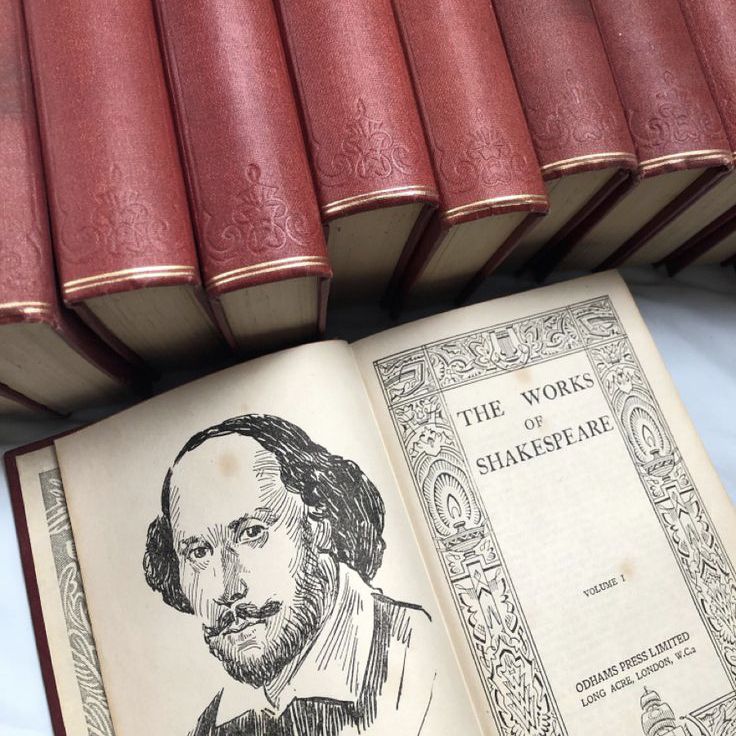
When we think of classic literature, William Shakespeare often comes to mind as the quintessential playwright. His works are renowned for their grand tragedies and memorable comedies. However, what truly sets Shakespeare apart is his remarkable portrayal of female characters. These women are not mere supporting roles; they are multifaceted, complex, and ahead of their time.
In order to celebrate the second post of my blog, I aim to shine a spotlight on these extraordinary women who have left an indelible mark on Shakespearean literature. Each character offers a unique perspective on strength, intelligence, and resilience. Let us delve into the lives of these iconic heroines and explore how they continue to inspire and resonate with audiences even today.
Beatrice: The Original Queen of Sass
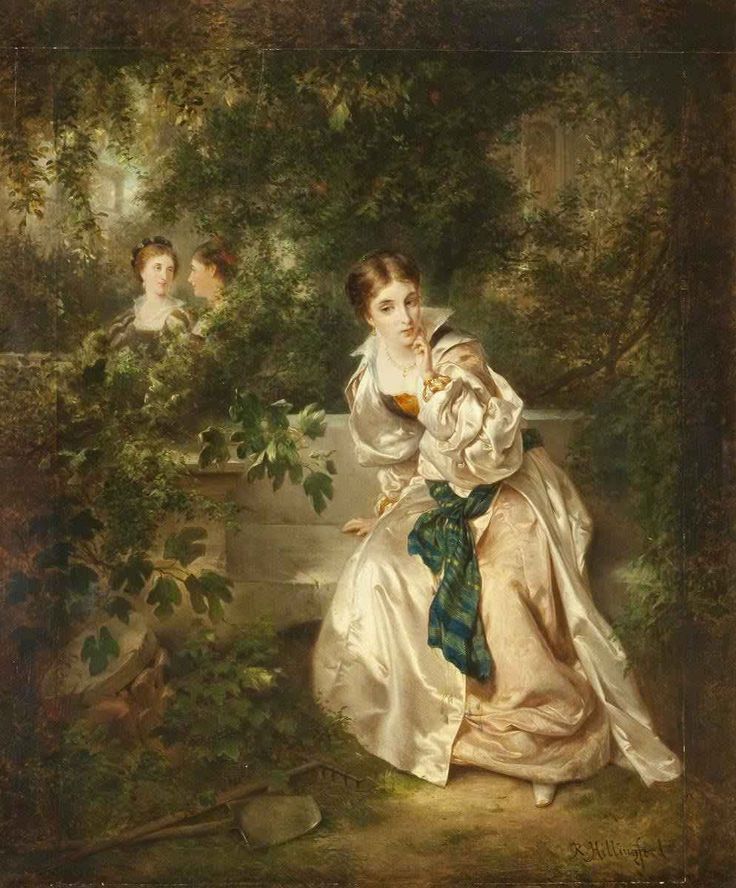
In Much Ado About Nothing, Beatrice isn’t your typical romantic heroine. She’s sharp-witted, fiercely independent, and unafraid to challenge societal norms. Her famous line, “Kill Claudio,” demands justice for her cousin Hero and showcases her unwavering loyalty and courage. Beatrice’s refusal to conform to traditional gender roles makes her a timeless symbol of strength and resilience.
Portia: The Lawyer Who Outsmarted the System
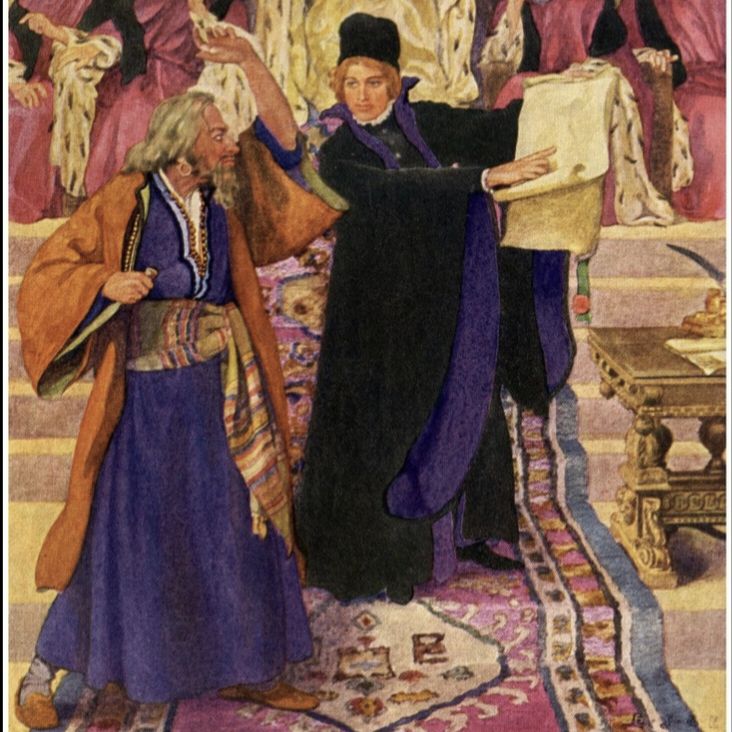
Portia from The Merchant of Venice is more than just a wealthy heiress. Bound by her father’s will to marry a suitor who chooses the correct casket, she doesn’t passively accept her fate. Instead, she disguises herself as a lawyer to save her husband’s friend, Antonio, in a dramatic courtroom scene. Her eloquent speech on the quality of mercy remains one of the most powerful expressions of empathy and justice in literature.
Rosalind: The Disguised Dynamo

In As You Like It, Rosalind takes matters into her own hands. Disguised as a man, she navigates love and identity with wit and courage. Her transformation challenges the conventions of gender and showcases Shakespeare’s exploration of identity and self-discovery.
Lady Macbeth: Ambition with a Price
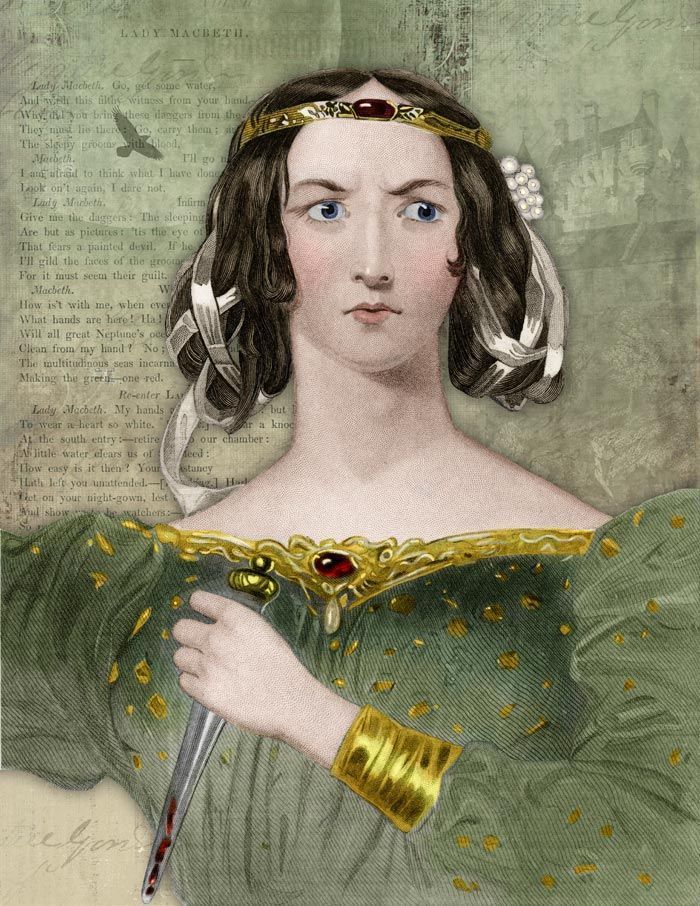
Lady Macbeth in Macbeth is a study in ambition and power. She pushes her husband to murder King Duncan, but the guilt consumes her, leading to her tragic downfall. Her character delves into the complexities of power, guilt, and the consequences of unchecked ambition.
Miranda: Innocence Meets Passion
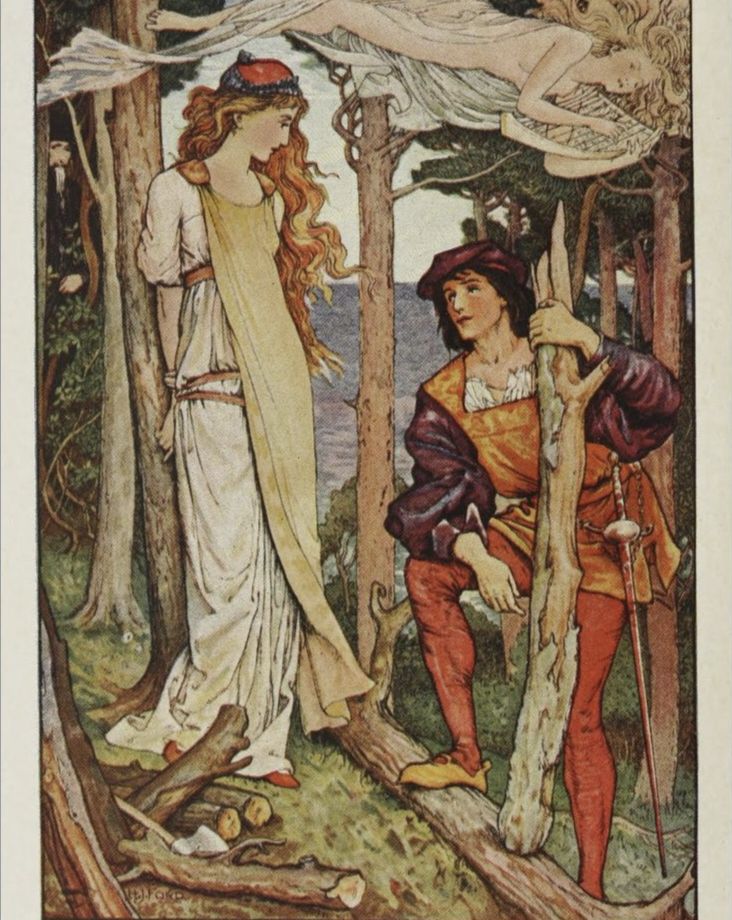
Miranda from The Tempest is often seen as the epitome of innocence and virtue. Raised in isolation, she embodies purity and compassion. However, her passionate declaration of love for Ferdinand challenges traditional notions of modesty and highlights her agency in shaping her own destiny.
Why They Matter
Shakespeare’s female characters are more than just plot devices—they’re reflections of the complexities of human nature. They challenge societal norms, question authority, and navigate the intricacies of love, power, and identity. In a time when women had limited agency, these characters broke boundaries and continue to inspire audiences today.
So, the next time you delve into a Shakespearean play, pay close attention to the women. They’re not just sidekicks—they’re the heart and soul of the story.
 Harshee's Lit Lounge
Leave a comment