

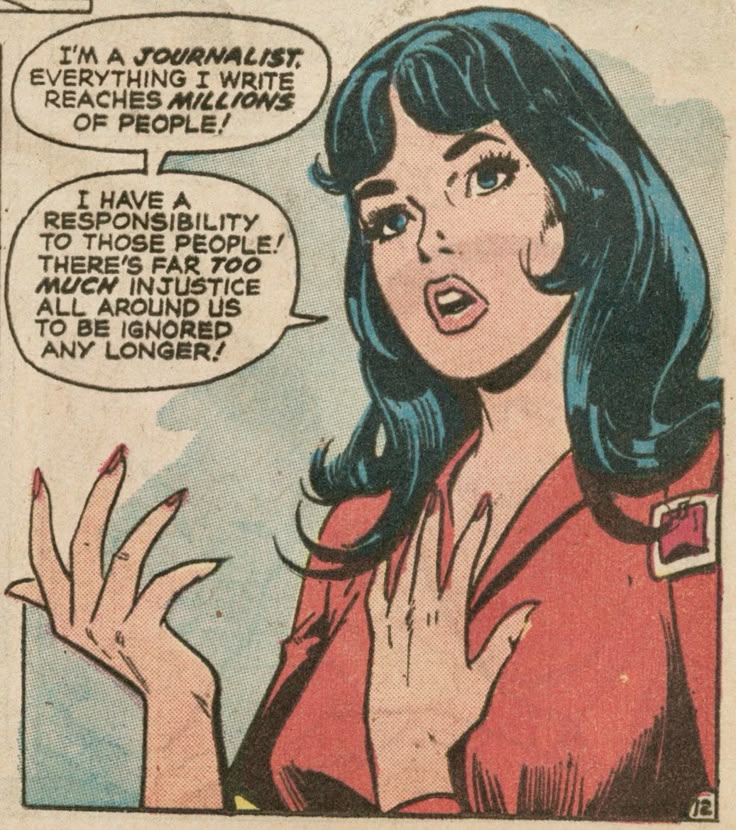

A few days ago, I sat down to watch Superman. Now, you’d expect me to be raving about the action sequences, the visual effects, or the Lois-Clark romance. But here’s the funny thing—what really blew me away wasn’t the superpowers or the world-building. It was the incorporation of journalism.
Yes, journalism.
The movie didn’t just show Superman as a savior—it reminded me of the power of truth and storytelling through the lens of the press. And honestly, that hit me hard. Because if there’s one thing our world desperately needs today, it’s good journalism.
Think about it. We live in a time when news breaks by the second. Social media feeds us information faster than we can process it. But how much of that is accurate? How much is actually investigated, fact-checked, and presented without bias? Sadly, not much. The chase for clicks, likes, and trending hashtags often takes priority over depth and truth. And when journalism slips, misinformation fills the gap.
Quality journalism needs resources. It needs editors who have time to refine stories, reporters who aren’t overworked, and platforms that are free from corporate or political influence. It also needs us—the audience—to value credible reporting and be willing to support it. Without that, we risk reducing journalism to noise: loud, fast, but empty.
Let’s be honest— how often do we find ourselves rolling our eyes at the news these days? For many people, media has shifted from being a trusted source of information to something that feels more like a spectacle. And here’s the tricky part: a lot of news outlets seem weighed down by political ties or financial pressures.
Part of the issue lies in the pressures that news organizations face. Many channels and reporters operate in environments where political affiliations or financial backers hold significant influence. And when that happens, coverage can subtly (or not so subtly) tilt toward the interests of those in power, rather than giving viewers a balanced, unbiased perspective. For us, the audience, this creates confusion—we’re left wondering: Who’s really telling us the truth?
Today, journalism has shifted form uncovering the truth to focusing largely on celebrity interviews. Newspapers, once a staple of the morning routine, are gradually fading away, giving way to ‘E-news’. While there is nothing inherently wrong with this shift, the reliability of online news feels like a coin toss— true only about half the time.
Another major reason why the media today appears to be in decline is the rapid rise of AI. Think about it: how many people do you know who say they don’t bother watching or reading the news anymore because they get everything from ChatGPT, Gemini, or Grok? Quite a few, right? And that sounds reasonable at first. But here’s a question—where do you think these AI tools get their information from? The answer is simple: news articles. AI systems scan through thousands of reports, cross-check them, and then present what they find to be most consistent and accurate.
But here’s the flip side: if misleading news is being widely circulated, AI can’t magically filter out the truth on its own. It can only work with the information available to it. In other words, if the sources themselves are unreliable, the output you get from AI will be just as flawed.
And that’s the irony—without credible journalism, even the smartest AI can only feed you smarter lies.
In the end, journalism is the real-world superpower. Without it, truth gets buried, lies spread faster, and even AI can’t save us. If we stop valuing credible reporting, we’re not just losing news—we’re losing our grip on reality.
 Harshee's Lit Lounge
Leave a comment