

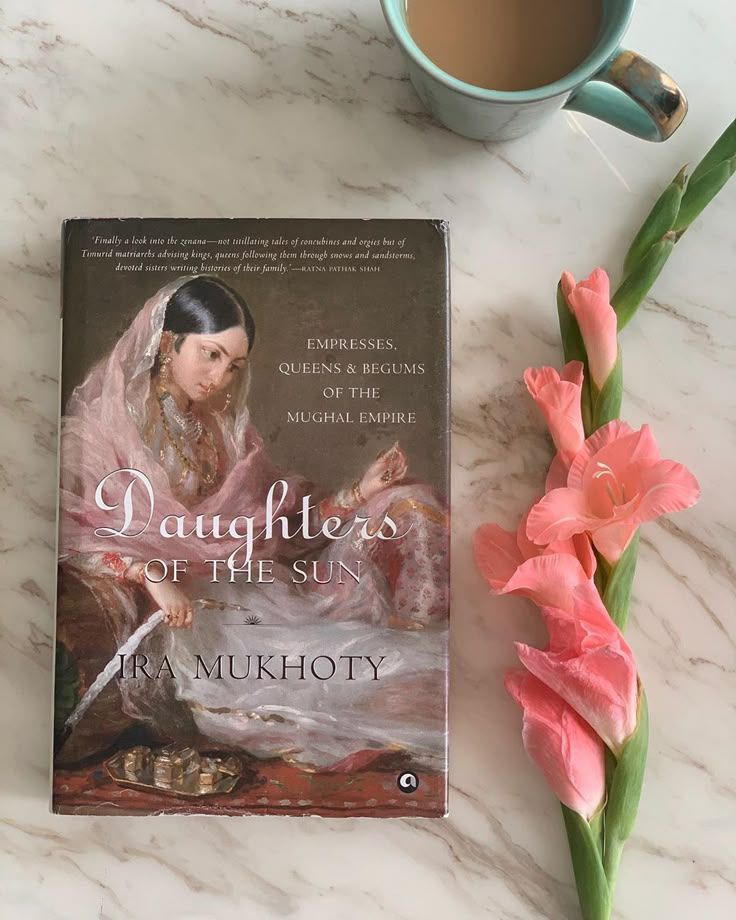
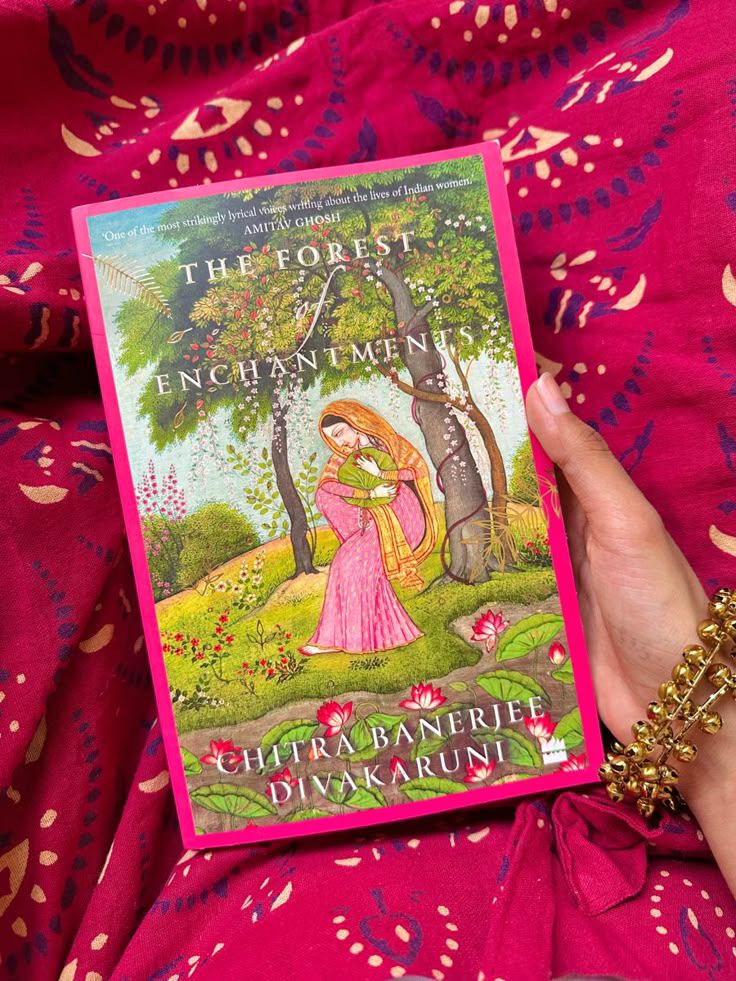
There’s something I’ve been thinking about a lot lately—something that quietly nags at me whenever I scroll through Bookstagram, walk into a bookstore, or overhear a conversation about “must-read” books.
Why do we, as Indian readers, get so much more excited about Western authors than our own?
Don’t get me wrong—I adore reading global literature. I’ve spent many happy afternoons immersed in the works of Margaret Atwood or Emily Henry. Their books are beautiful, thought-provoking, and often deeply moving. But somewhere along the way, I started noticing something: while we eagerly chase after the latest international bestseller, many brilliant Indian authors sit quietly on the shelf, overlooked and under-celebrated.
And it’s certainly not because they’re not good. On the contrary, many of them are extraordinary.
So why don’t we celebrate them the same way?
Part of the answer, I think, lies in our colonial past. Generations of Indians were educated to admire English literature and see it as the standard of sophistication. We absorb, often unconsciously, the idea that Western stories are more “universal” or “refined,” while Indian stories are more local and, somehow, less significant. That mindset still lingers. We tend to reach for what’s been validated by the West, often waiting for an Indian author to win an international award before we take notice.
Then there’s the sheer power of marketing. Western authors—especially those backed by big publishers—come wrapped in glossy promotion campaigns, international buzz, and screen adaptations. Think of how a new release from someone like Sally Rooney gets an instant wave of media, reviews, and anticipation. In contrast, even the most brilliant Indian books are often promoted modestly, if at all. The hype simply doesn’t match the quality.
And sometimes, I think we underestimate the beauty of the familiar. When an Indian author writes about an Indian city, a chaotic family wedding, or the quiet tensions of everyday life here, we may dismiss it as “too ordinary.” But isn’t that exactly what literature is supposed to capture—the ordinary made extraordinary?

We have so many authors doing exactly that. Take Chitra Banerjee Divakaruni, whose storytelling beautifully weaves myth, memory, and womanhood into unforgettable narratives like The Palace of Illusions and Before We Visit the Goddess. Or Jhumpa Lahiri, whose quiet, elegant prose captures the complexities of identity, displacement, and family with unmatched sensitivity. Salman Rushdie, of course, changed the literary landscape with his imaginative, layered storytelling in Midnight’s Children and beyond. And who can forget R.K. Narayan’s Malgudi Days and Arundhati Roy’s The God of Small Things, which shook the literary world with its beautiful simplicity and lyrical defiance?
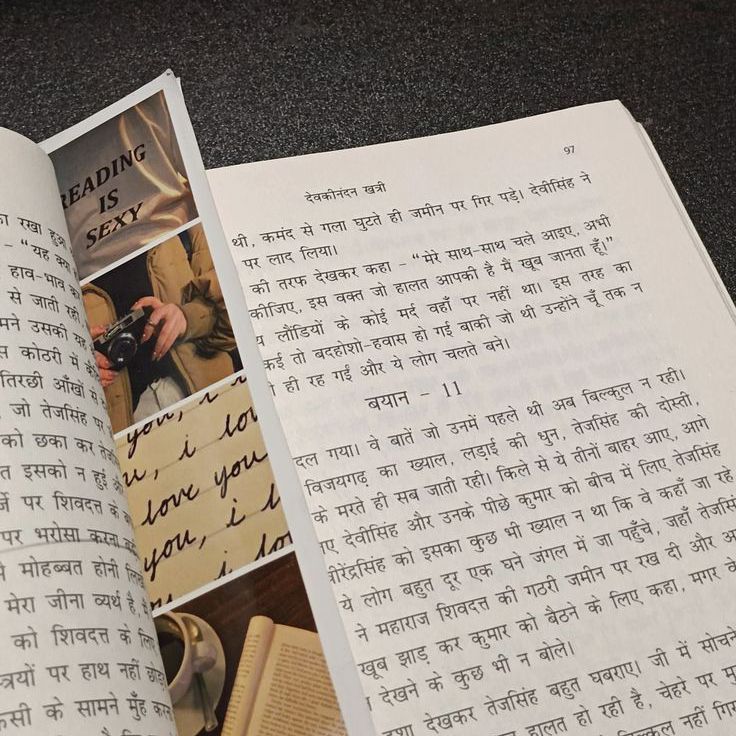
Even newer voices like Avni Doshi (Burnt Sugar), Madhuri Vijay (The Far Field), and Geetanjali Shree (whose Hindi novel Tomb of Sand won the International Booker Prize) are redefining what Indian writing in the 21st century looks like.
And thankfully, the tide is turning. More readers are seeking out Indian voices. More authors are being translated, recognized, and loved.
So here’s my small suggestion: the next time you’re looking for your next read, try reaching for an Indian author. You may be surprised at how deeply stories set in Chennai or Delhi resonate—sometimes more than anything set in London or Brooklyn.
Because we don’t need the West to tell us our stories are worthy. We just need to start believing it ourselves.
 Harshee's Lit Lounge
Leave a comment